Oct 23rd, 2024
Everything You Need to Know About the 2024 Diwali Music and Arts Festival
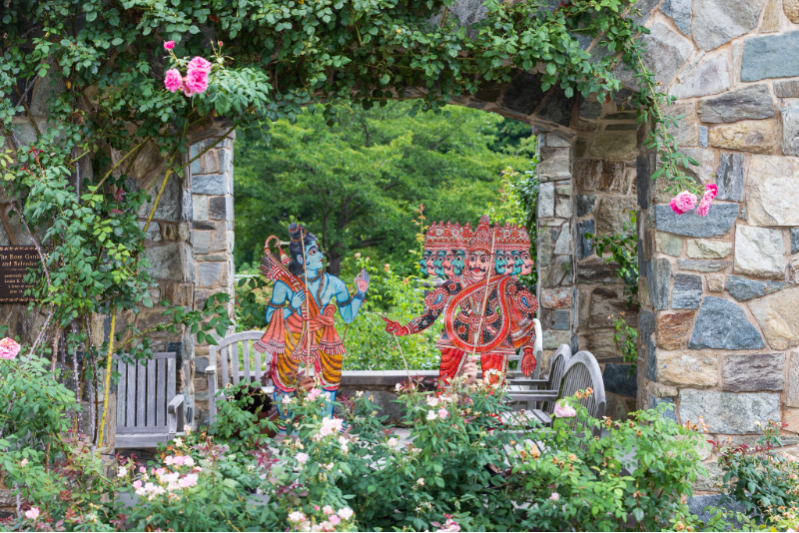
In a few short days, Lewis Ginter Botanical Garden is set to host our first celebration of Diwali, the festival of lights! Experience the magic of Indian culture with a day full of activities, including traditional dance performances, henna artists, local music, a buzzing market, delicious Indian cuisine, a kids puppet show telling the story of Ramayana, and much more! A beautiful display of lights will symbolize the triumph of light over darkness. All are welcome!
Expect a day full of culture and joy, whether you are familiar with Diwali or this is a new festivity to explore, “Diwali at the Garden” will be great fun celebrating the victory of light over darkness.
The event will take place on Saturday, Oct. 26th from 12 – 8 p.m.
Sep 17th, 2024
Before the Fall
Nature has kept one of her most colorful secrets hidden for months now. Since early spring, she has dressed her deciduous trees in regulation green. Then, through some sartorial sleight of hand, she replaces their monochromatic uniforms with a kaleidoscope of fall color. Almost all of the color has been there all along.
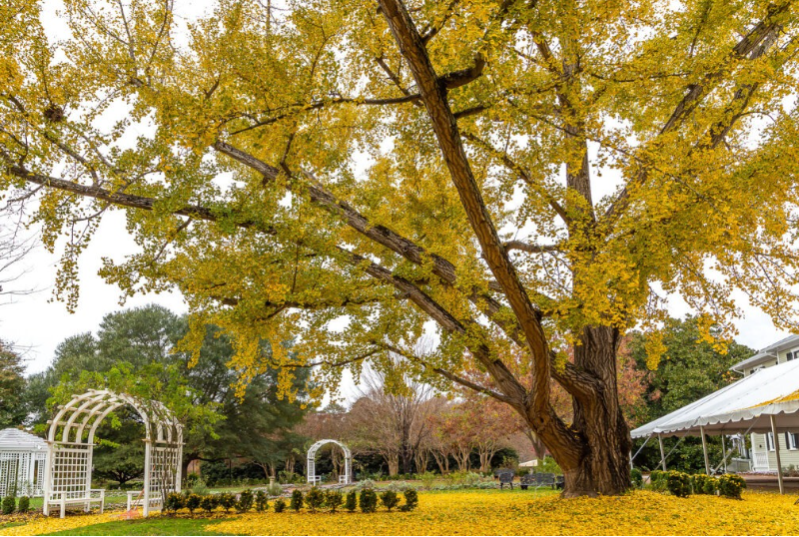
Why do leaves change color in autumn?
Chlorophyll is the green pigment that makes photosynthesis possible: it enables plants to convert light energy from the sun into chemical energy for food. Because it is the most abundant pigment in plants, chlorophyll makes leaves look green during the growing season. It absorbs light from the red and blue part of the spectrum while reflecting green light into our eyes, masking pigments like yellow and orange. As autumn approaches, the diminishing daylight causes chlorophyll production to slow and then stop. The green goes away with it, revealing the oranges and yellows that have been there since the beginning.
Now, nature unveils a new palette of pigments.
Sycamore, birch, hickory and ash leaves are alight with the signature golds and ambers of carotenoids – the yellow and orange pigments that are also responsible for the color of corn, carrots, bananas and buttercups.
Tannins emerge, coloring the leaves of oaks and beeches with their creamy browns and coppers.
Anthocyanins, the pigments that infuse cranberries, concord grapes, purple cabbage and cherries with their familiar reds, violets and deep pinks, bestow their regal splendor on maples, red oaks and sumacs.
Aug 27th, 2024
The Benefits of Storytime at the Garden
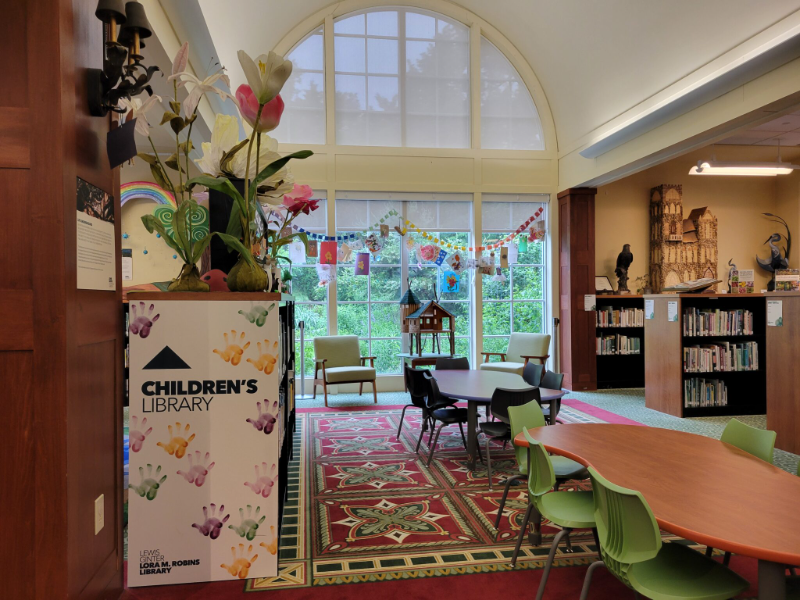
Libraries have long been places of connections: readers connecting with books, neighbors meeting others in the community, and children and families engaging in educational opportunities. The Robins Library, the special botanical library at Lewis Ginter Botanical Garden, connects patrons to horticultural information, literature, botanical art and garden history. Currently, Women’s Work: The Lee Park Collection exhibit is on display showcasing a WPA project from the late 1930’s aimed at preserving the native flora and documenting the park’s creation.
In order to make this unique exhibit more accessible to children, I created storytimes centered around the themes of botanical illustration, nature observation, and the appreciation of nature and art. The picture books featured the beauty of nature and the power of observation and exploration in a natural space, while craft activities included tracing, drawing and open creation to actively engage children with the nature around them and in the garden. Natural materials like twigs, leaves and pinecones inspired imaginative process art. Children are naturally curious to learn about their world, and research shows that fostering a love of nature provides cognitive and developmental benefits (Adams & Savahl, 2017).