

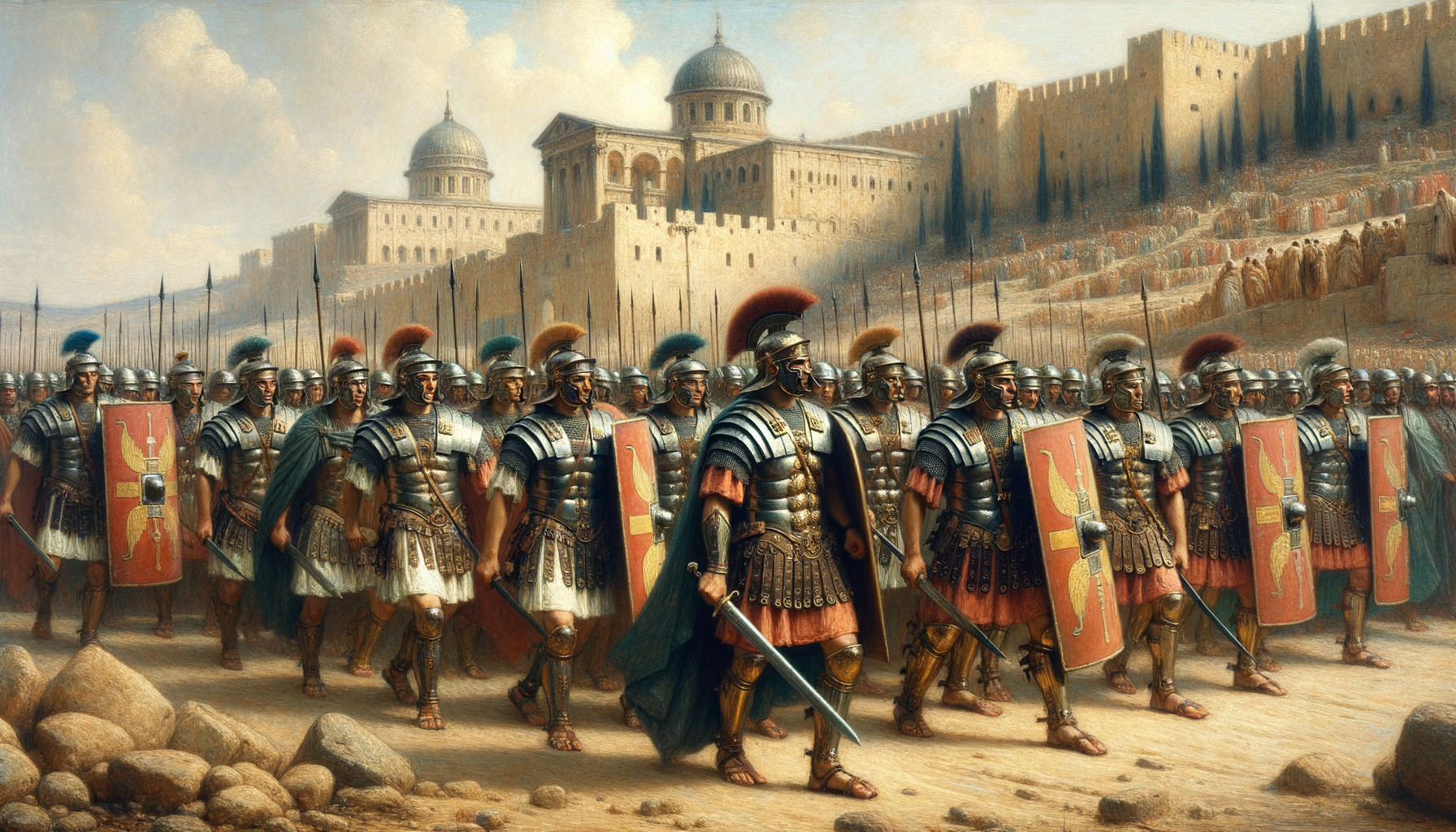
Roman legionaries were expected to complete extraordinary distances under extreme conditions, and none was more defining than the 20-Roman-mile forced march. Known as the iter festinatum, this march required a legion to cover roughly 18.4 modern miles within five summer hours, a pace that demanded discipline, speed, cohesion, and endurance. Five Roman “summer hours” equate to roughly six modern hours, meaning legionaries moved fast, maintained formation, and arrived ready for combat. This was not just a physical standard; it was a measure of a legion’s readiness to fight immediately upon arrival.
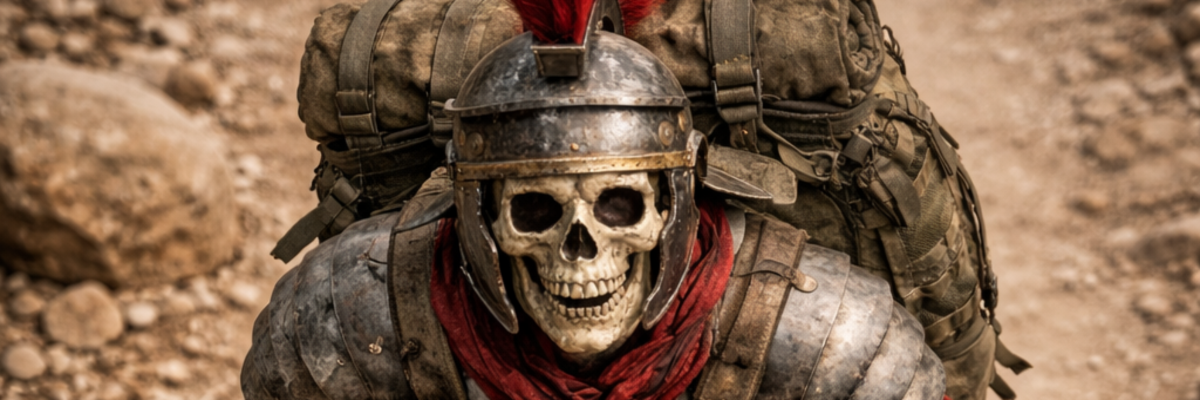
What made this feat even more impressive was the weight each soldier carried. A typical legionary load ranged between 60 and 80 pounds, sometimes more depending on the campaign. This included the scutum (large shield), gladius sword, pilum spear, helmet, armor (lorica hamata or lorica segmentata), several days of rations, tools for fortification and camp building, entrenching equipment, a cloak, cooking gear, stakes for constructing the nightly defensive camp (valli), and personal items. Every soldier marched with what the Romans called impedimenta, the full burden of a self-sufficient infantryman.
Completing a forced 20-Roman-mile march under this weight, in formation, and within five hours, was a direct test of a legion’s discipline and combat readiness. Modern challengers attempting the same distance with a 45-lb ruck are replicating one of the most respected and demanding physical standards of the ancient world, one that helped the Roman legions dominate battlefields for centuries.
