
Training, Prep & Health
More Information Coming Soon
Know Your Risk
Sun Safety
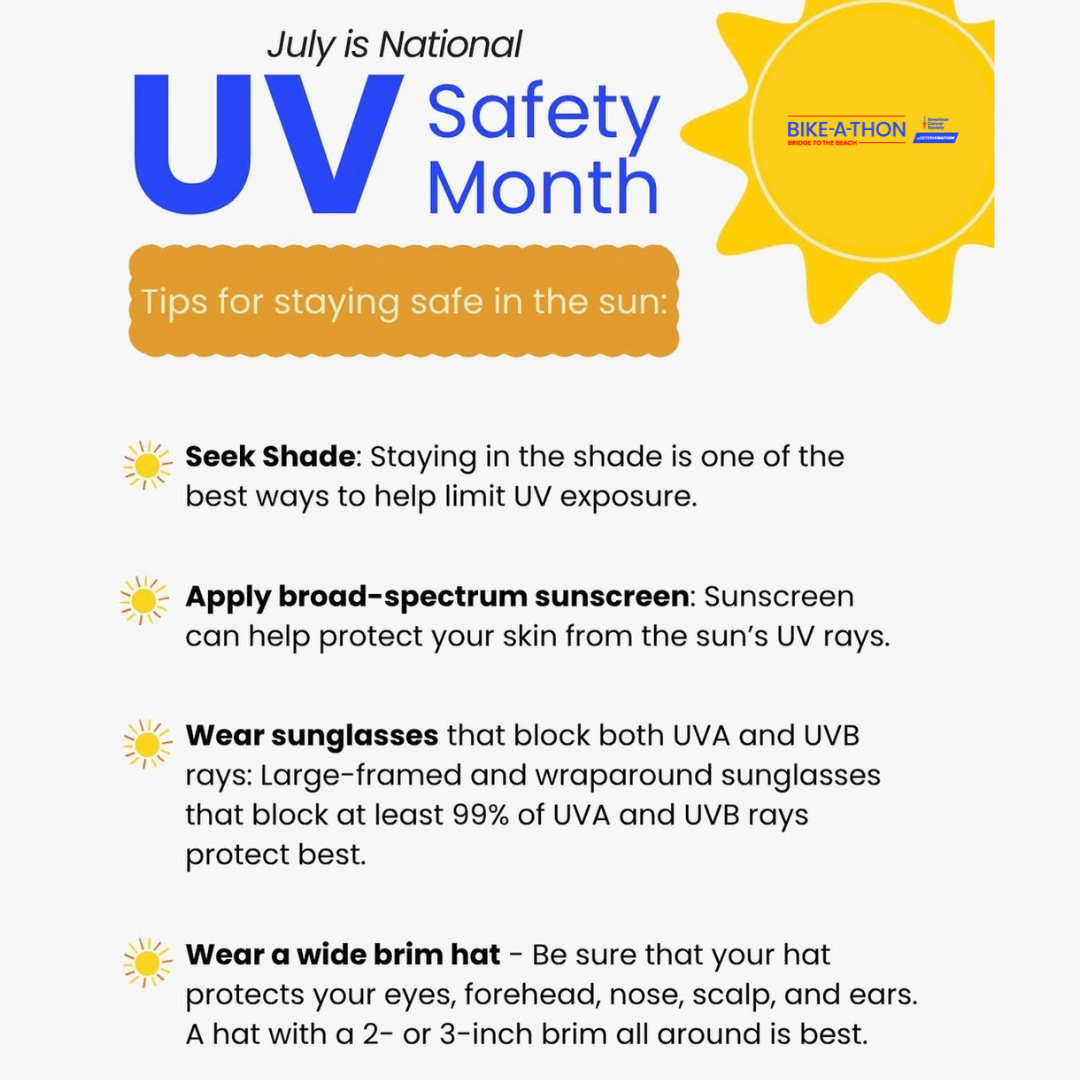
Most skin cancers are caused by too much exposure to ultraviolet (UV) rays. Most of this exposure comes from the sun, but some can come from man-made sources, such as indoor tanning beds and sun lamps. People who get a lot of exposure to UV rays are at greater risk for skin cancer.
Protect yourself from the sun
Some people think about sun protection only when they spend a day at the lake, beach, or pool. But sun exposure adds up day after day, and it happens every time you are in the sun. Even though sunlight is the main source of UV rays, you don’t have to avoid the sun completely. And it would be unwise to stay inside if it would keep you from being active, because physical activity is important for good health. But getting too much sun can be harmful. There are some simple steps you can take to limit your exposure to UV rays.
Simply staying in the shade is one of the best ways to limit your UV exposure. If you are going to be in the sun, “Slip! Slop! Slap!® and Wrap” is a catchphrase that can help you remember some of the key steps you can take to protect yourself from UV rays:
- Slip on a shirt.
- Slop on sunscreen.
- Slap on a hat.
- Wrap on sunglasses to protect the eyes and skin around them.
Cancer Screening Saves Lives
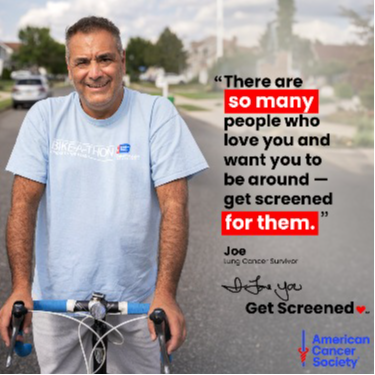
Screening tests are used before a person has any symptoms to help find cancer early, when treatment is more likely to be successful. Show yourself some love and make cancer screening a regular part of your life.
Screening Recommendations:
These recommendations are for people at average risk for certain cancers. Talk to a doctor about which tests you might need and the screening schedule that’s right for you. It’s a good idea to also talk about risk factors, such as lifestyle behaviors and family history that may put you or your loved one at higher risk.
Age 25-39 Screening Recs:
- Cervical cancer screening
Age 40-49 Screening Recs:
- Breast cancer screening
- Cervical cancer screening
- Colorectal cancer screening
- At age 45, African Americans should discuss prostate cancer screening with a doctor
Age 50+ Screening Recs:
- All of the above including...
- People who currently smoke or formerly smoked should discuss lung cancer screening with a doctor.
- Discussing prostate cancer screening with a doctor recommended.
For more information head to cancer.org/getscreened

Healthy Eating and Active Lifestyle
How much do daily habits like diet and exercise affect your risk for cancer? More than you might think. Research has shown that poor diet and not being active are key factors that can increase a person’s cancer risk. The good news is that you can do something about this.
Besides quitting smoking, some of the most important things you can do to help reduce your cancer risk are:
- Get to and stay at a healthy weight throughout life.
- Be physically active on a regular basis.
- Follow a healthy eating pattern at all ages.
- Avoid or limit alcohol.
The evidence for this is strong. The World Cancer Research Fund estimates that at least 18% of all cancers diagnosed in the US are related to body fatness, physical inactivity, alcohol consumption, and/or poor nutrition, and thus could be prevented.
Take the first step toward a healthier you with ACS CancerRisk360, personalized cancer risk assessment at acscancerrisk360.cancer.orgThis is a new text field ready for your content.
